ANNOYED BY POP-UPS?
You can avoid this one by signing up ;)
Get Reid's recent blog posts sent to your inbox.


THANKS FOR
HELPING AN
OLD GUY OUT!

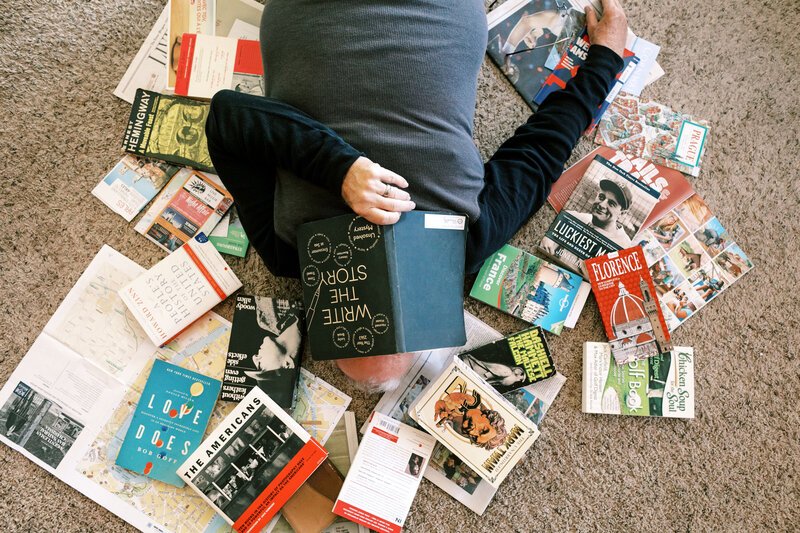


It was the day Carol looked into the living room and didn’t see me on the couch. She called out for me. The thing was, I was sitting on the couch as I’d been for the last whenever. “I’m right here,” I said waving to her, a wan smile on my face. When I realized that she could no long discern my outline on the couch from that of the couch itself, I said, “We need a road trip.”
READ MORE
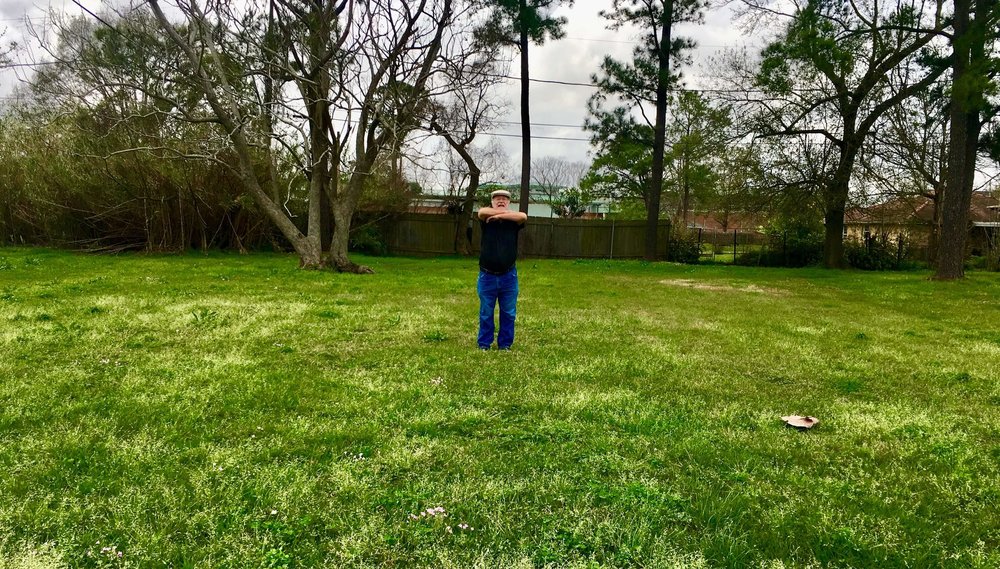
In the aftermath of Hurricane Betsy in 1965, much of St. Bernard Parish and Chalmette were flooded to a depth of about five feet. These were the days before federal flood insurance and FEMA trailers. What was available was a loan from the Small Business Association, which my parents dutifully took out and repaid just in time for Hurricane Katrina.
READ MORE

My family’s roots are submerged in the bayous of Louisiana. If you think Louisiana is the armpit of the country, then the bayous are the pit hairs.
My grandparents raised eight kids on little more than what could be hooked, dragged, dredged, gigged or netted out of Bayou Des Allemands. My grandfather was a barber; my grandmother ran an ice cream parlor. Between my grandfather not charging the Depression-devastated inhabitants for their haircuts and my grandmother frightening the children who came in her shop at the wrong time for ice cream, my grandparents eventually lit out for greener pastures: the reclaimed malarial swamp known as Chalmette, where I grew up.
READ MORE

With time on my hands now, I used part of it to noodle around my ambivalent attitude towards authority, resulting in a liberalism that believes in government as a force for good and resents its intrusiveness at the same time.
As with everything else in life, it started with my parents. As nurturers, they expanded the “children should be seen and not heard” maxim to include not being seen either. In summer we were sent out from the house after breakfast into the stifling heat of New Orleans and told not to return until dinner. Left to forage for lunch, we learned to distinguish the hard way between poison mushrooms and berries and the good ones.
READ MORE
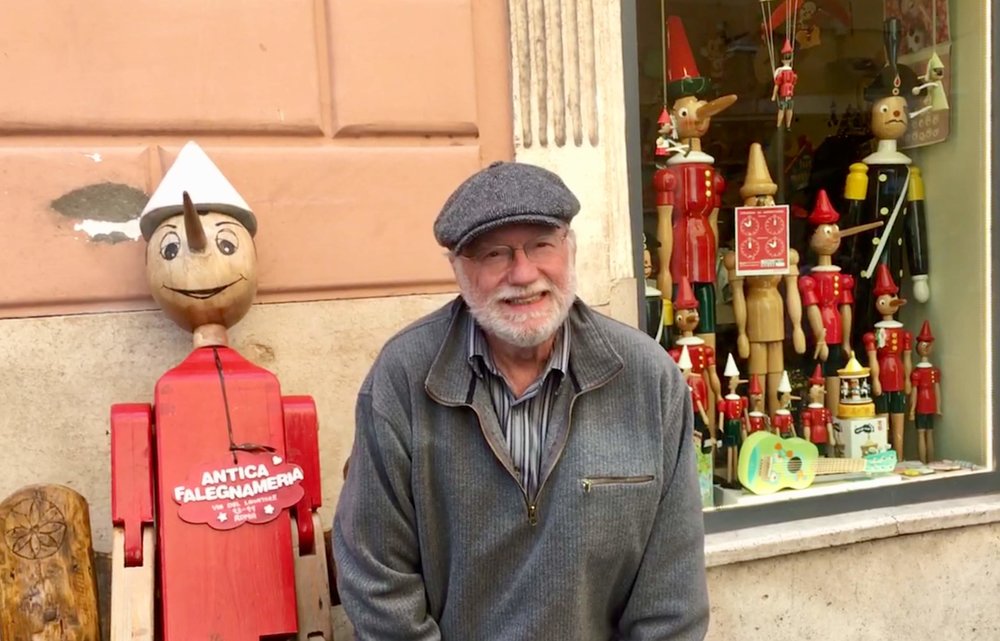
I asked Carol if she thought I should go on hiatus from the blog now that our travels were done for a while.
“I suppose the readers could use a break,” she said.
READ MORE
Mourning becomes memory, part 2
Carolyn Kay Marquardt
August 10, 1949 – May 23, 2017
If you asked those who knew Carolyn, they would tell you what they remembered most was her laugh. I remember it as a great full body dry heave of joy. They would also mention her hugs. “Huge sister hugs,” Marianne describes them.
That Carolyn exuded joy was something well remembered by her nephew Sean. “She was almost always smiles from cheek to cheek; this happiness tended to resonate with everyone around her, and aside from being a very fun and outgoing auntie, this was probably another of many reasons I always looked forward to her company.”
READ MORE
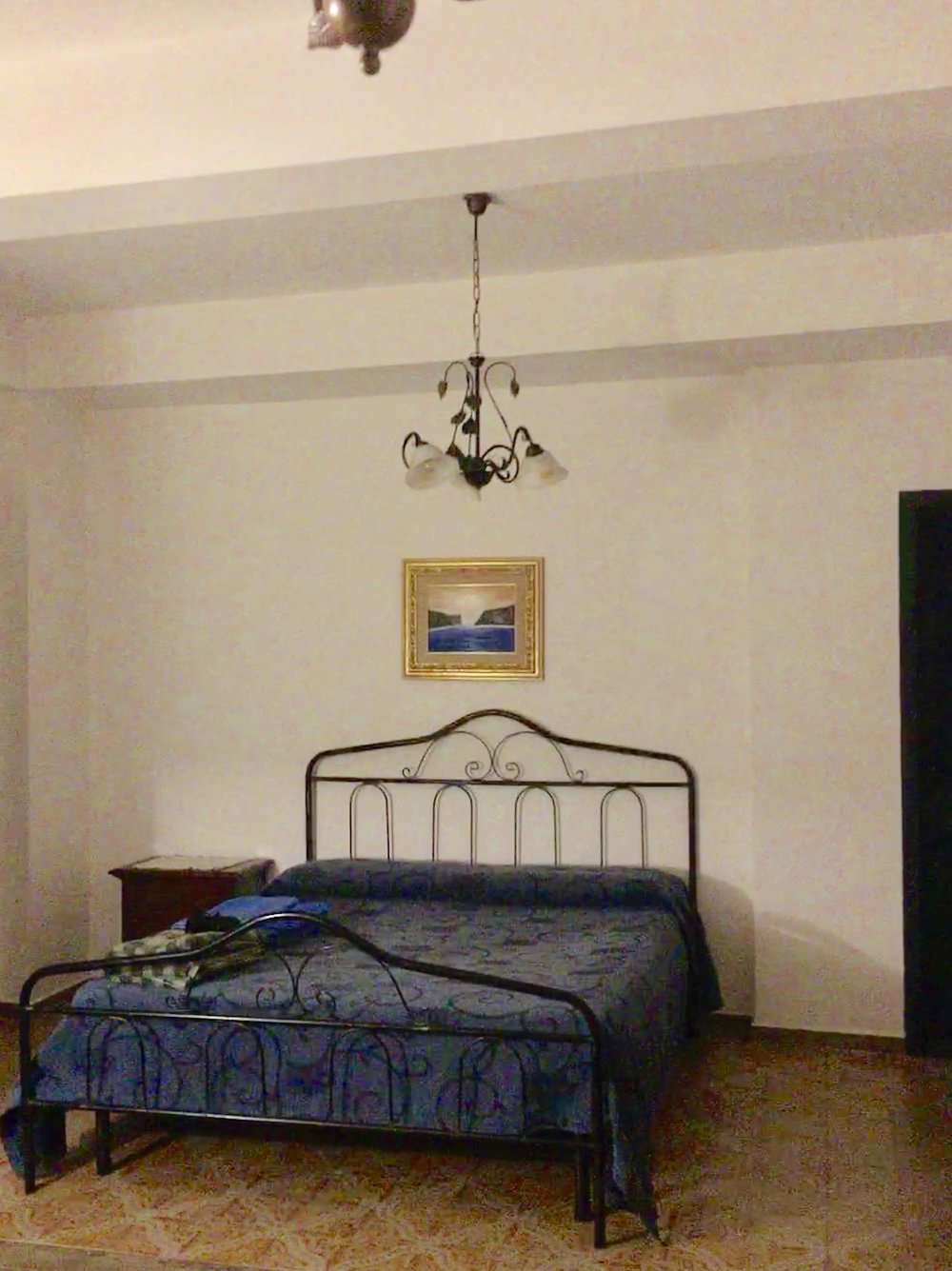
Upon our return from our last European trip, someone asked me if I’d met any interesting people. Carol stifled a laugh; I thought the question, asked of me, was rhetorical. While I do prefer to travel invisibly, and ask only that humankind for the most part act the same, some personalities strike you in a profound, if unobtrusive way, that you’re happy to deactivate your cloaking device and meet them openly on common ground.
READ MORE
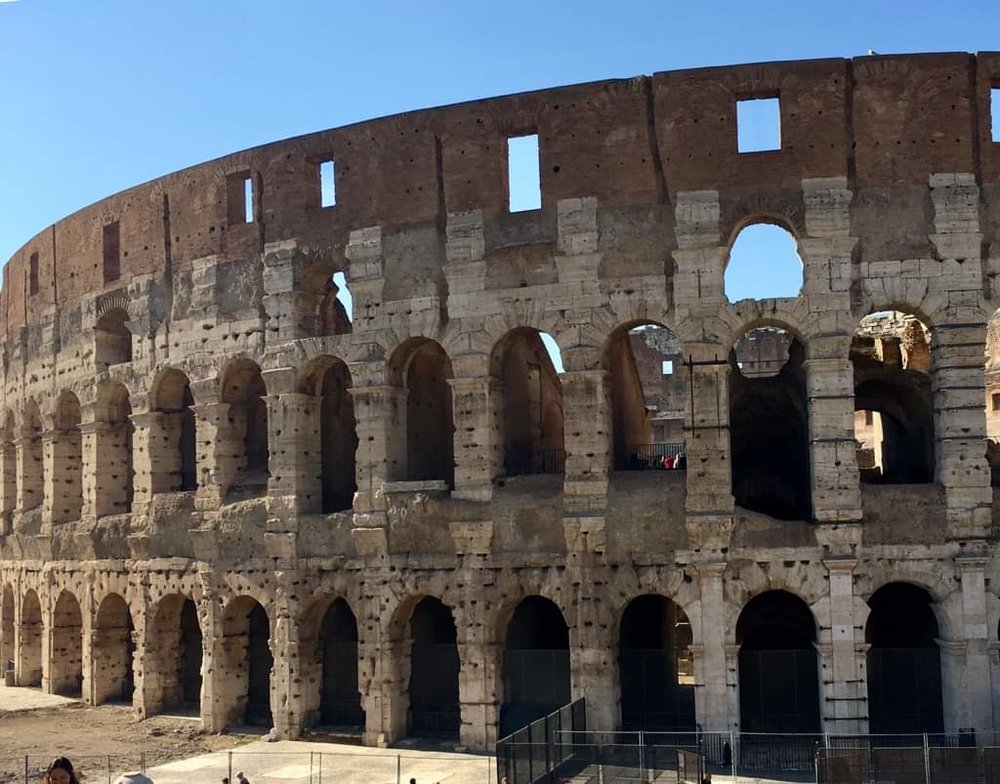
I believe most tourists to any place on the globe at one time or another, confront the same question: what would it be like to live here full time. A number of these tourists went on to do it and then write about it. I’ve read several of these well-written memoirs (Peter Mayle’s A Year in Provence always comes to mind first). They’ve all taken me on amazing journeys, but have wound up at the same terminus for me: Don’t do it.
READ MORE

Those who knew Carolyn’s travel photos and are now viewing Carol’s on my blog may have noted a marked similarity in photographic eye, color and composition. This has come as a bit of a surprise to Carol, as she has seen several of Carolyn’s Shutterfly books.
“They’re so beautiful and professional,” Carol has remarked. “It was her hobby.”
READ MORE
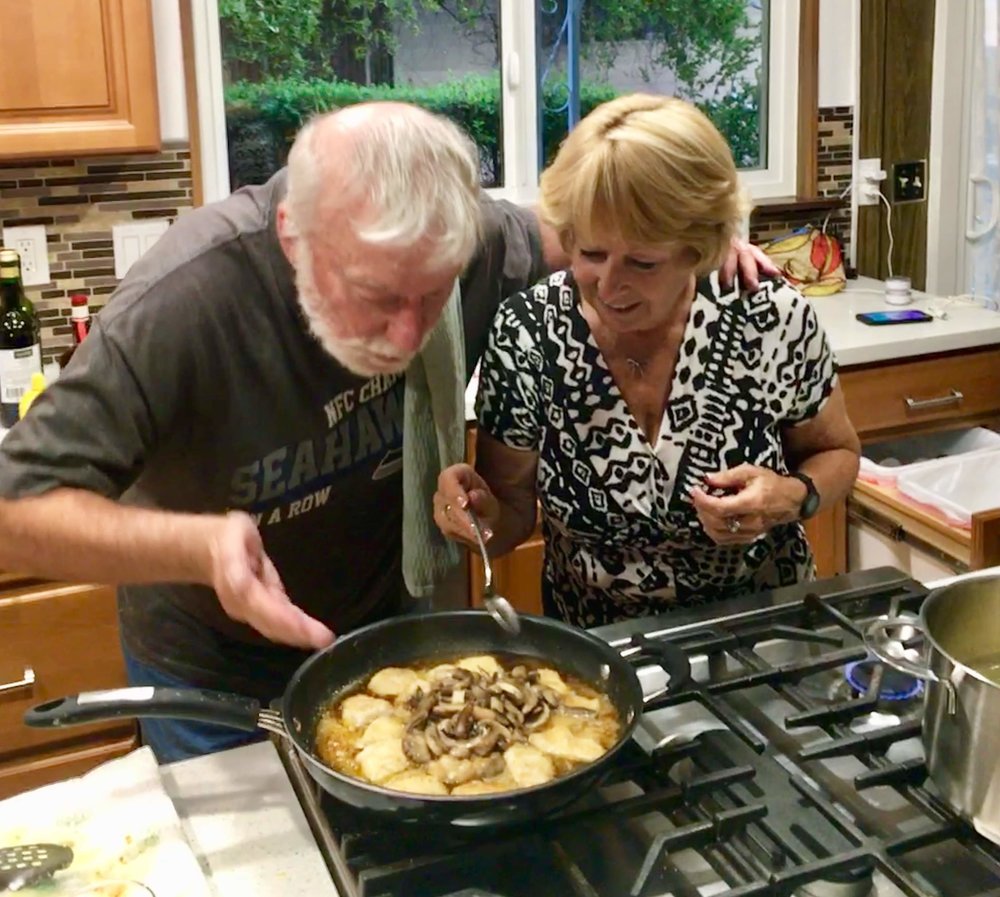
I set out almost immediately to spoil Carol once we began our new life together. I had spent five years with Carolyn perfecting the dynamics of spoiling a human being, and I was confident I had command of the basics.
The first roadblock I ran into was serving Carol’s morning coffee in bed. When word had gotten around I was serving Carolyn her coffee in bed, I was approached by a semi-distraught husband who told me: “Because of you, I’m getting up even earlier now just to keep up.”