ANNOYED BY POP-UPS?
You can avoid this one by signing up ;)
Get Reid's recent blog posts sent to your inbox.


THANKS FOR
HELPING AN
OLD GUY OUT!


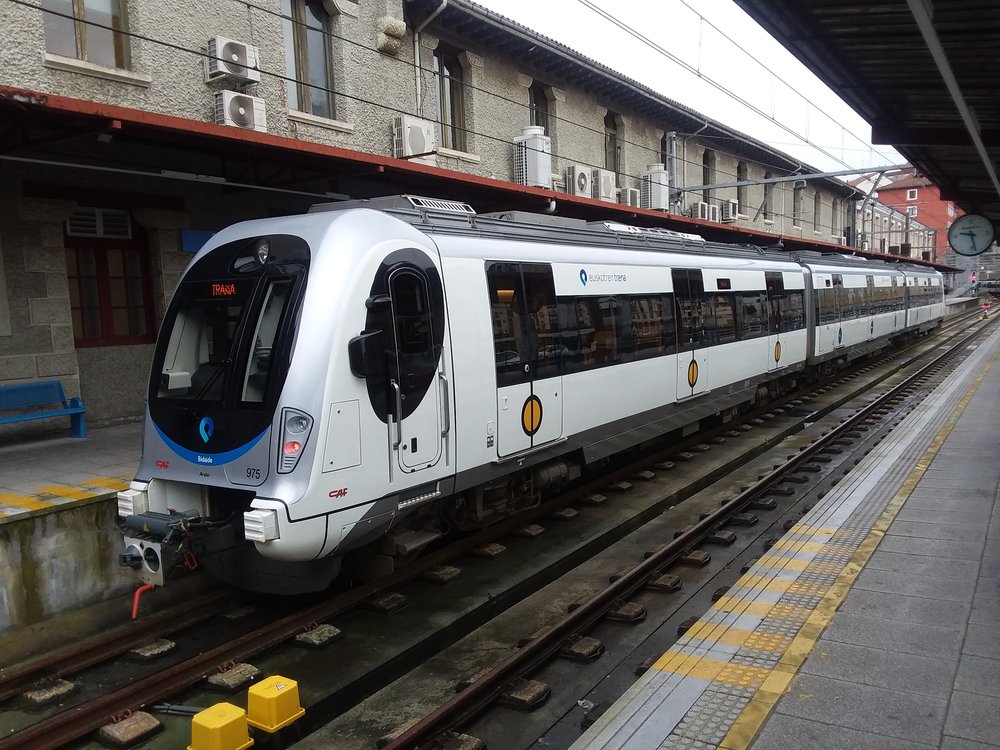
Thanks to HUMINT from my new patrons at the
Bilbao tourism office, I was able to travel to San Sebastian for four euros and
in just two and a half hours aboard Basque lightrail. My way, via Eurail’s Rail
Planner, would have cost thirty euros and taken more than four hours on the
state run railway. By the time I left Bilbao, I had taken its busses, trams,
funicular and lightrails, all for about ten or so euros total
READ MORE

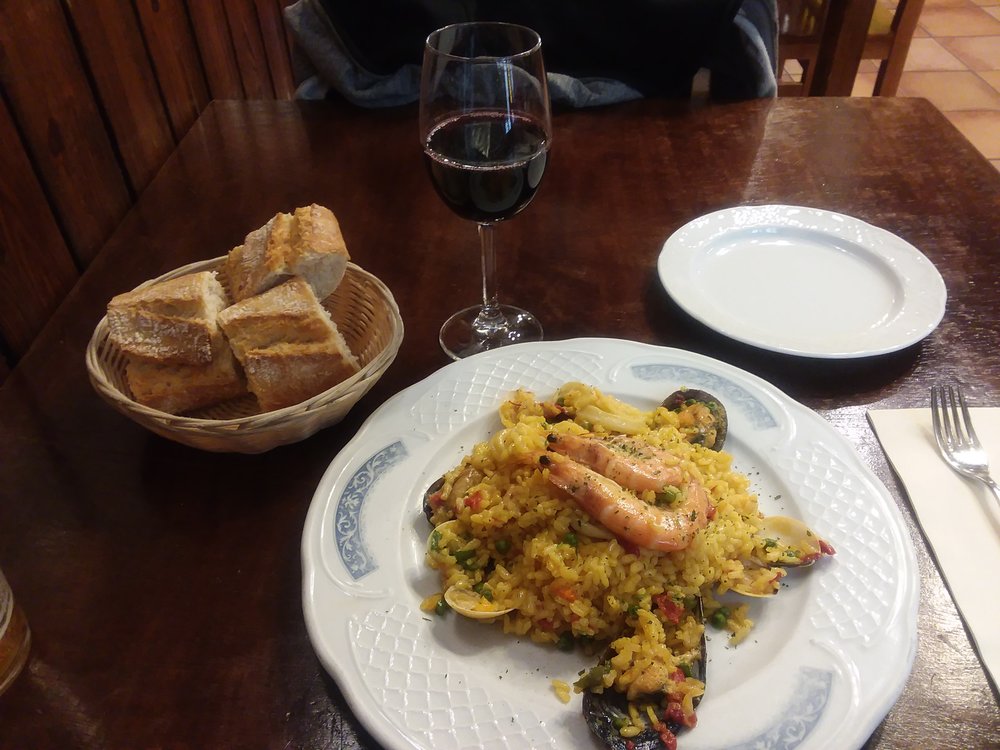
I promised a brief explanation of my evident
exaggerated regard for the French baguette. It is rooted, or should I say
kneaded, in upbringing. Specifically, it is the result of being raised in New
Orleans, and its own version of the baguette, known simply as French bread, and
in sandwich form, the po boy.
READ MORE
Lucky for me I had two very specific and
don’t-want- to-miss objectives in traveling to Guernica, because the weather
was the worst of the trip so far. Steady rain and gusty winds made the
temperature feel much colder than it probably was. Without those goals, though,
I would have bagged the day, and spent it in a café.
READ MORE
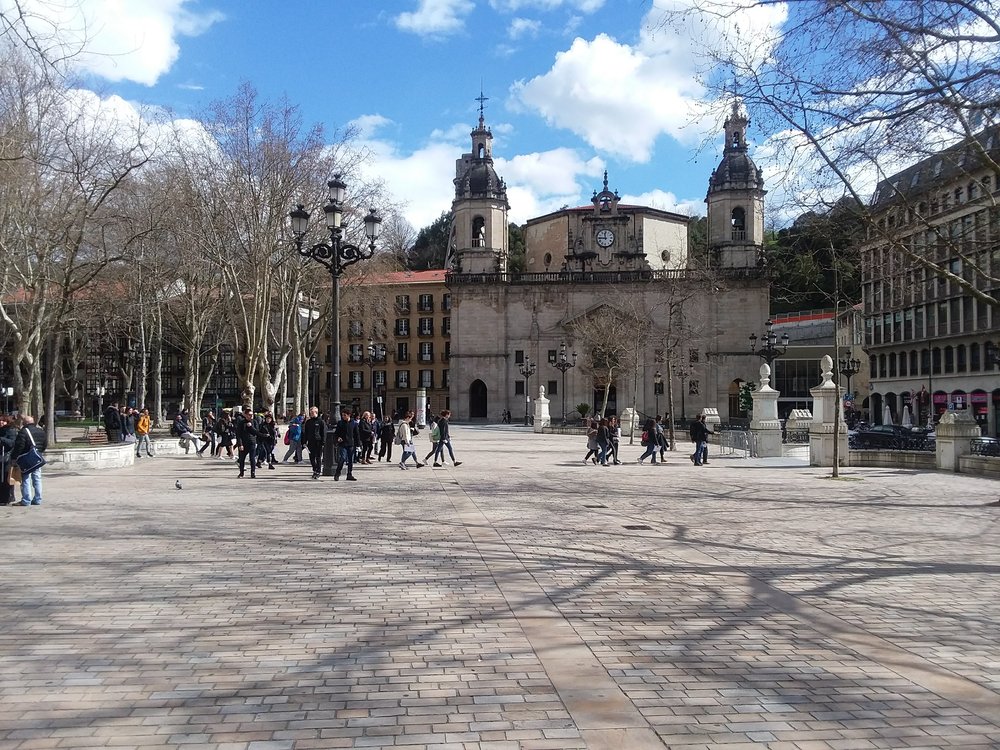
The transportation card provided by the Bilbao tourist office included two free guided walking tours of the city. I am not a big fan of guided tours, but the tourist rep seemed so genuinely aggrieved by my demurral, I caved and accepted both signups, even though I knew I’d at most make it through one.
READ MORE

The hop on/hop off bus worked so well in Toledo, I looked forward to riding it again to get to know Bilbao. I was informed, though, at the conveniently located tourist office (directly across from the train station) that the bus (note “the” bus) had broken down and was not in service.
READ MORE
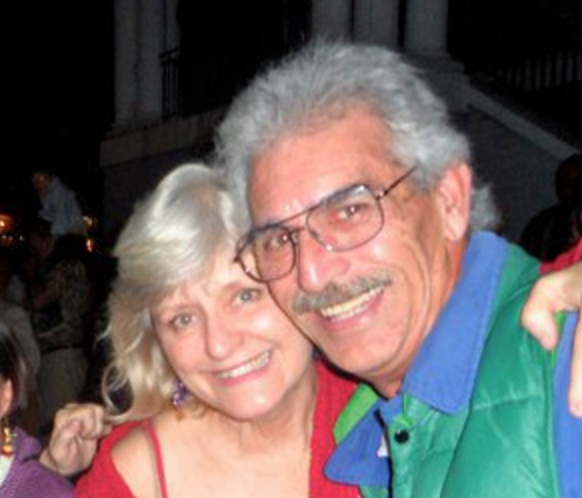
When Bonnie lost husband Neil to cancer last October, there was hardly any time to grieve.
“Unfortunately, I was not given the luxury to grieve my husband after he died,” Bonnie says, “because my son Adam was so ill with leukemia in the hospital in Atlanta. As soon as my husband passed away, I went to Atlanta to be with my son. Then Adam died six weeks later. So, I was missing my husband but I was fraught with worry about Adam. I was nauseated and fatigued.”
READ MORE
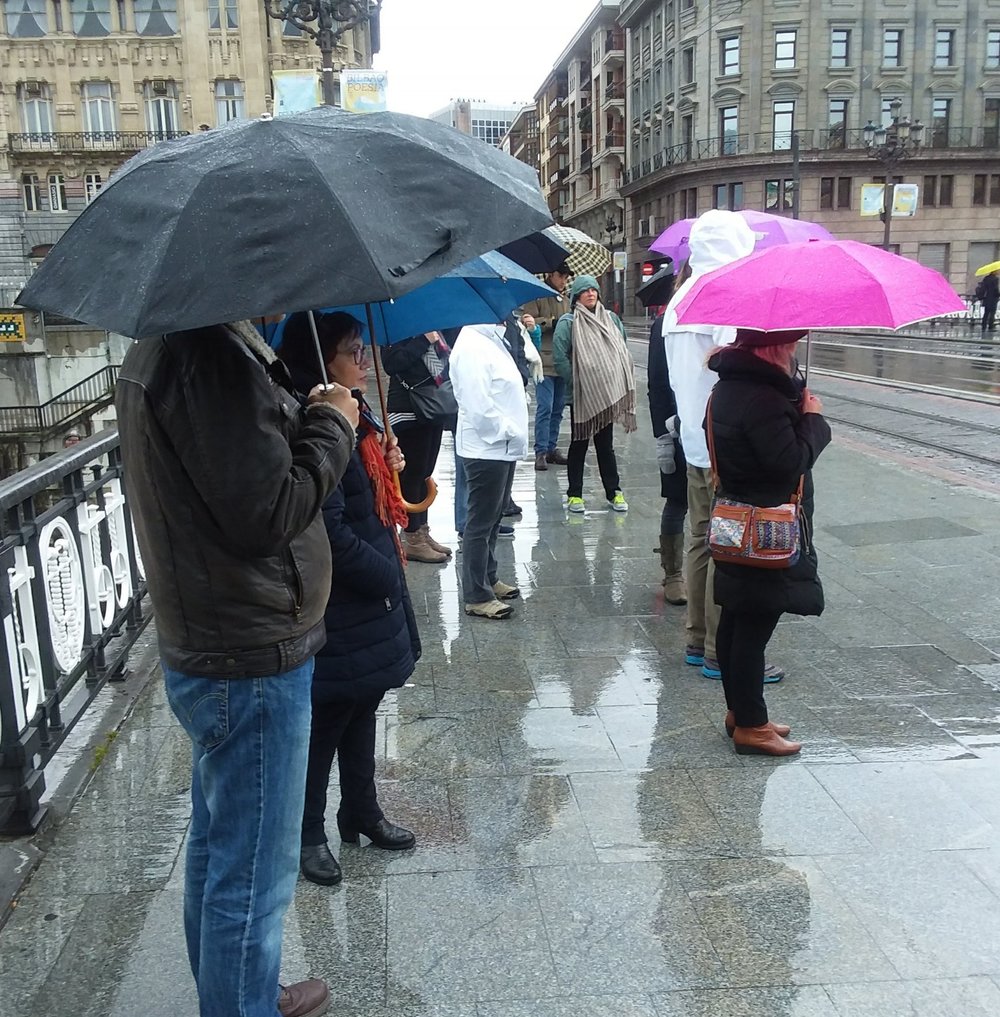
The original “plan” was to leave Madrid and head south for Seville. (I was thinking I might need a haircut and beard trim by then, anyway.) Then, from out of nowhere, the phrase “Basque Separatists” popped into my head. After a couple days in a restive Catalonia, I was in the mood to be among some more troublemakers in the Basque capital of Bilbao.
READ MORE
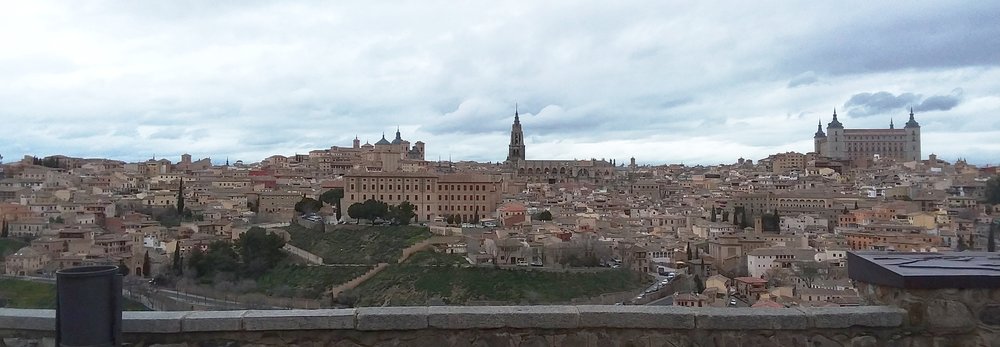
I was not trying to be cute or trite with the title. It would not be an uncommon reaction to your first glimpse of this almost golden city on a hill. Here is what Michener had to say about it:
“The city of Toledo, a bejeweled museum set within walls, is a glorious monument and the spiritual capital of Spain; but it is also Spanish tourism at its worst. Anyone who remains in this city overnight is out of his mind,…”
READ MORE
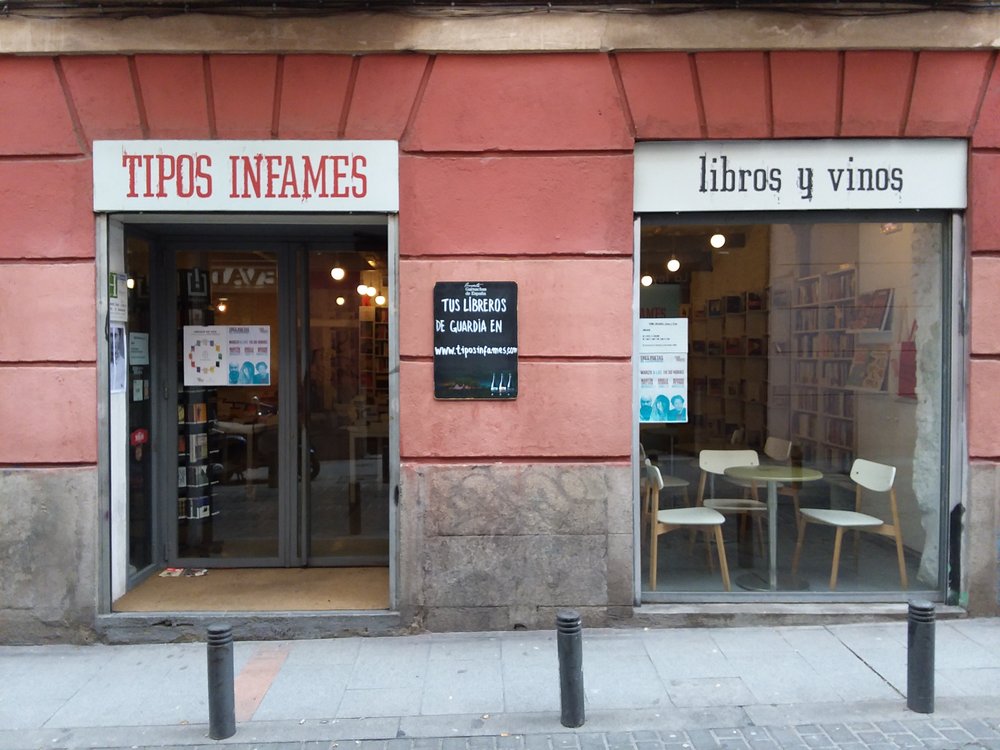
My decision to walk whenever and wherever I can on this trip is not a financial one. What I’m spending on my international data plan, chewing up minutes following GPS around town might equal what I’d be spending on uber. It’s not a health-driven one either. At the pace I saunter, it hardly qualifies as exercise. I walk because I can, and I love the liberating feeling of closing the door behind me and just taking off.
READ MORE
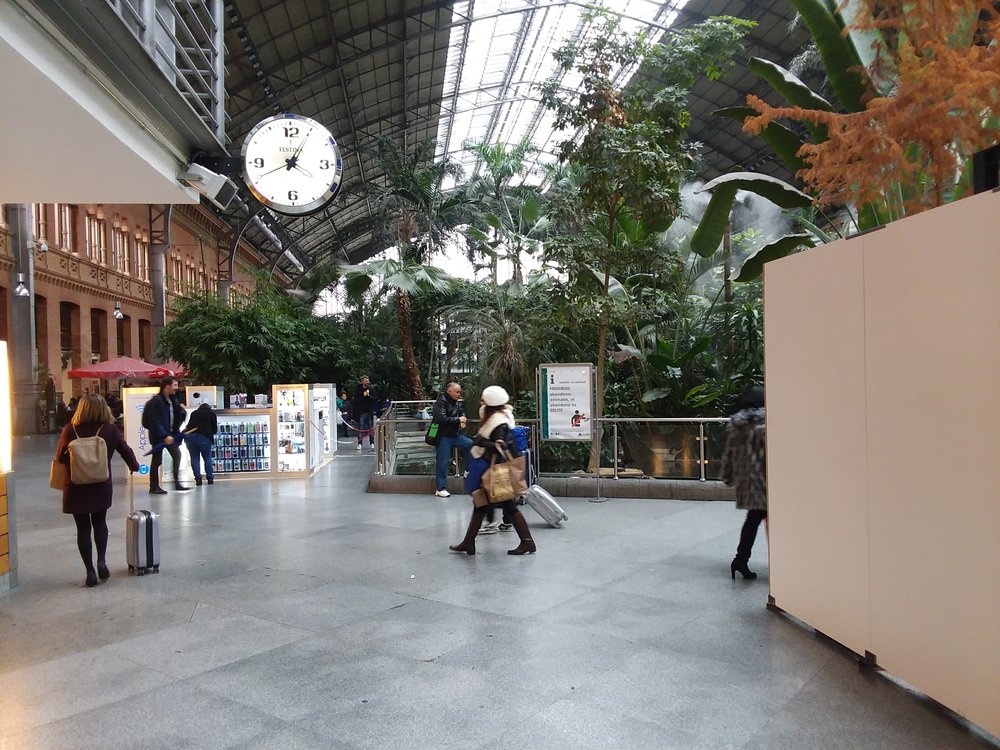
I’d first read about Spain’s conversion to high-speed rail in Tom Zoellner’s Train. Having neglected its rail system for decades, the revaluation of Spain’s currency upon entering the European Union in 1986, according to Zoellner, made the country flush with cash. Spain’s prime minister wanted to spend it on “a Japanese-style bullet train.” The first line opened in 1992 between Madrid and Seville, which quite coincidentally I’m sure, just happened to be the prime minister’s hometown. The line between Madrid and Barcelona opened only after overcoming fierce opposition that construction would endanger the delicate genius of Sagrada Familia. Unfortunately, it didn’t.